June 3, 2026, Comment off
Between exile and uncertainty: The struggles of Myanmar refugees in Delhi
Salai Benhur
Introduction
For decades, political turmoil and armed conflict in Myanmar (Burma) have forced thousands of people to leave their homes in search of safety. Waves of displacement followed General Ne Win’s military coup in 1962, the nationwide pro-democracy uprising of 1988, and most recently the military takeover in 2021. Among those affected are members of the Chin, Kachin, Rakhine, and Bamar communities, many of whom fled across the border into India.
While most Chin refugees initially sought refuge in Mizoram, India’s northeastern border state, the lack of legal protection and refugee recognition pushed many to move further inland. Since the late 1990s, New Delhi has become a major destination for Myanmar asylum seekers seeking registration with the United Nations High Commissioner for Refugees (UNHCR). Today, the city hosts one of the largest Myanmar refugee communities in India. Yet despite escaping conflict and persecution, many continue to face poverty, insecurity, and an uncertain future.
A growing refugee community in India’s capital
Although official estimates often place the number of Myanmar refugees in Delhi at around 10,000, community surveys suggest the actual figure is significantly higher. According to a survey conducted in May 2026, more than 10,000 Chin migrants alone are living in New Delhi. Most are under the age of 40, with a large proportion being children and young people of school-going age.
Smaller populations of Kachin, Rakhine, Bamar, Shan, Karen, Kuki, Naga, and other ethnic groups from Myanmar also reside in the city. In addition, more than a thousand Rohingya refugees from Myanmar are currently living in Delhi.
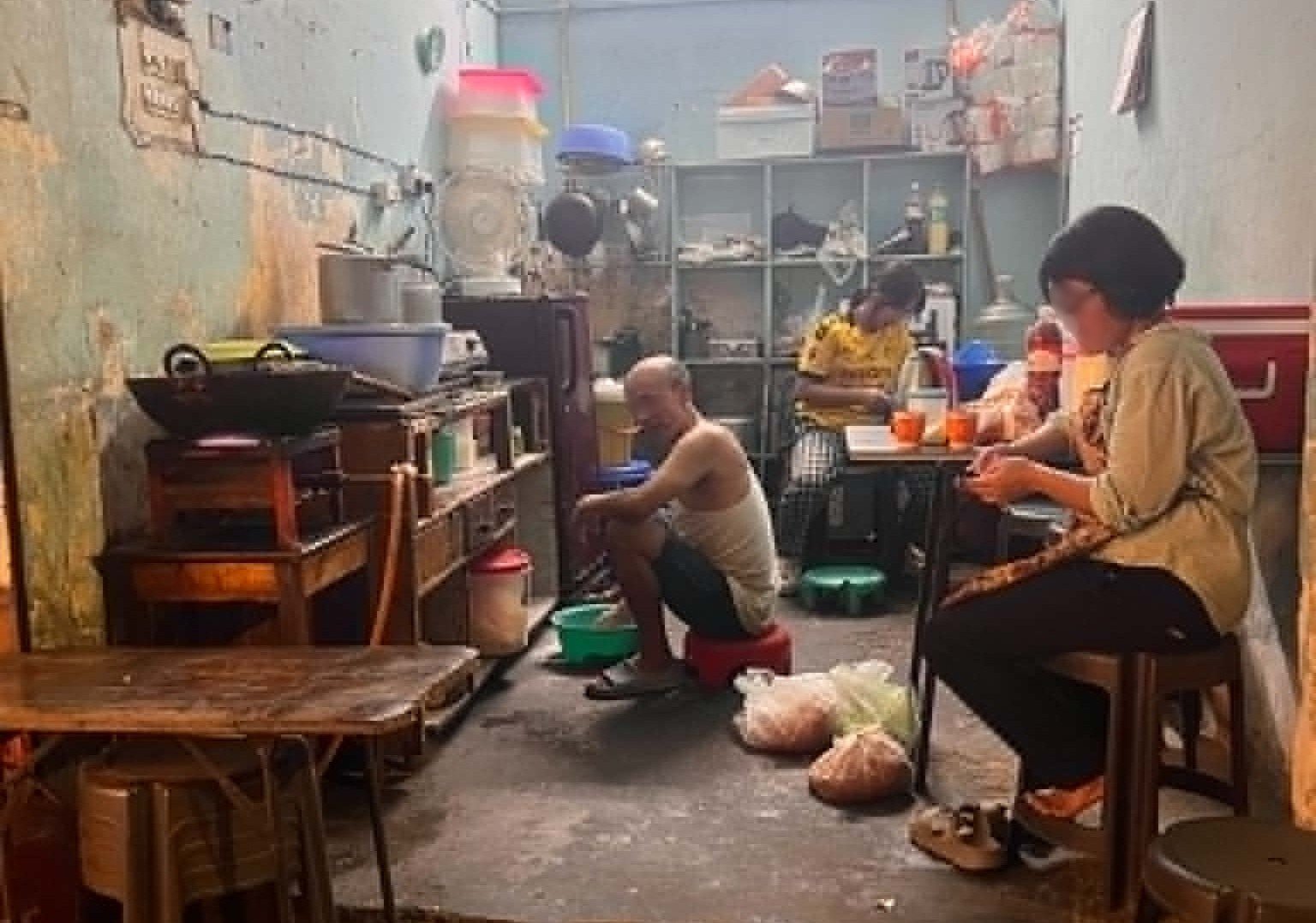
The refugee population has grown rapidly since the 2021 military coup. Community leaders estimate that over 70 percent of Myanmar refugees currently in Delhi arrived after 2021, while a smaller number have lived in the city for more than a decade. Some families have now spent over twenty years in exile.
Despite these long periods of residence, only a small percentage possess officially recognized refugee status. Most hold temporary asylum seeker documents issued by UNHCR, limiting their access to services, protection, and opportunities.
Refugee recognition and the search for protection
One of the most significant concerns among Myanmar refugees is the slow pace of refugee recognition.
Community members report that obtaining Refugee Status Determination (RSD) through UNHCR has become increasingly difficult since 2021. While new arrivals continue to enter India, many have been unable to secure formal refugee recognition.
The standard RSD process includes registration, interviews, assessment of claims, and a final decision. Successful applicants receive official refugee status and documentation.
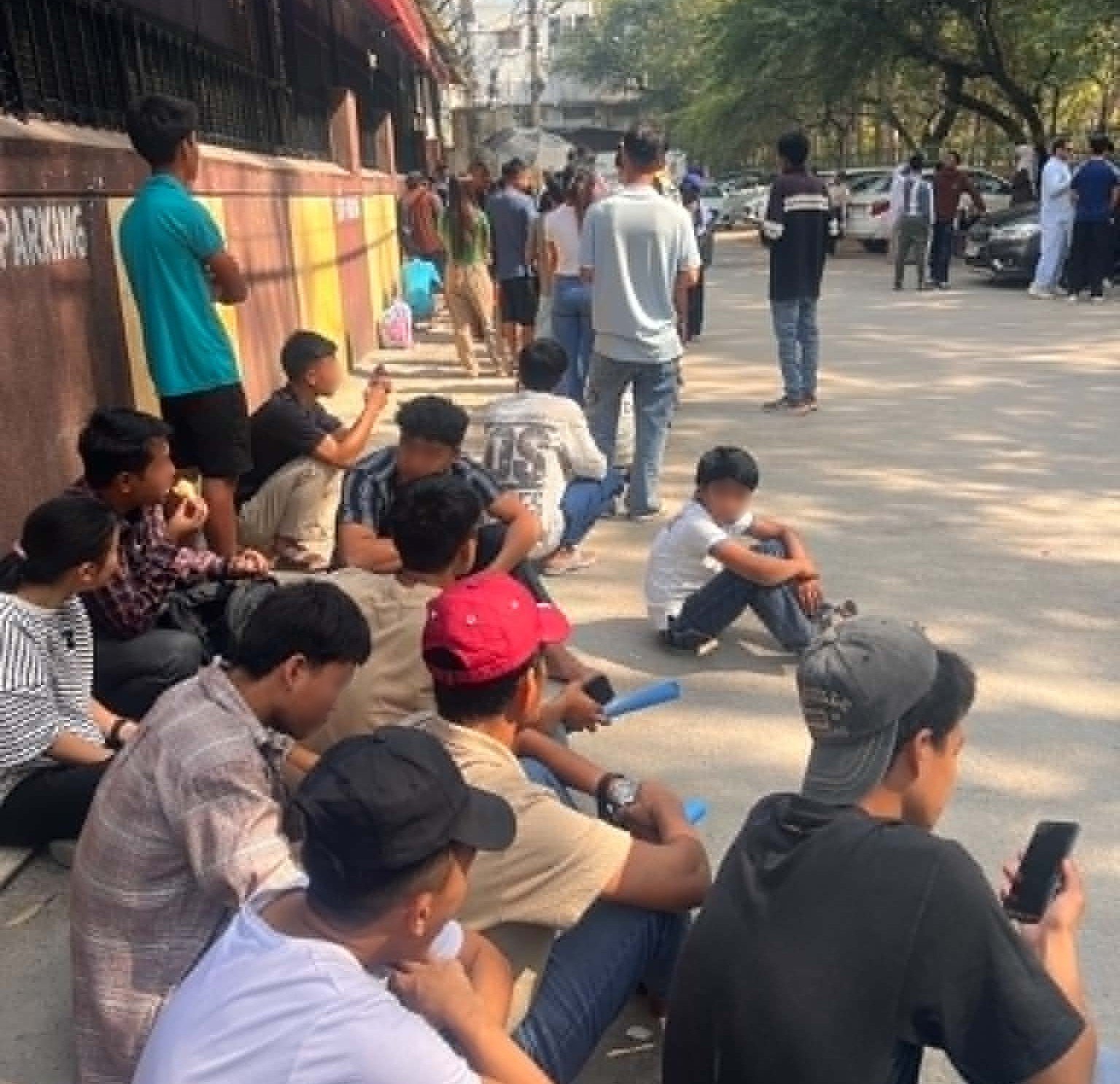
However, many asylum seekers report experiencing lengthy delays at every stage. Registration appointments can take months to obtain, interviews are often scheduled far in the future, and final decisions may take a year or more. Even after completing these procedures, many applicants receive only temporary asylum seeker cards rather than full refugee recognition.
At the same time, refugees report reductions in financial assistance, healthcare support, and other welfare services. UNHCR representatives have attributed some of these limitations to funding shortages.
For refugees with relatives abroad, remittances provide an important safety net. Others have no such support and depend entirely on irregular employment and community assistance. Many continue to hope for improvements in refugee policies or a peaceful democratic transition in Myanmar, although both prospects remain uncertain.
Surviving on the margins
Life in Delhi is marked by economic hardship for most Myanmar refugees. India is not a signatory to the 1951 Refugee Convention and does not have a comprehensive national refugee protection framework. As a result, many refugees are treated as undocumented migrants and lack the legal right to work.
Without work permits, most refugees find employment in the informal sector. Men and women commonly work as daily laborers, domestic workers, cleaners, factory workers, waiters, or water carriers. Daily earnings often average around 500 Indian Rupees (approx US$5.31), barely enough to cover basic expenses.
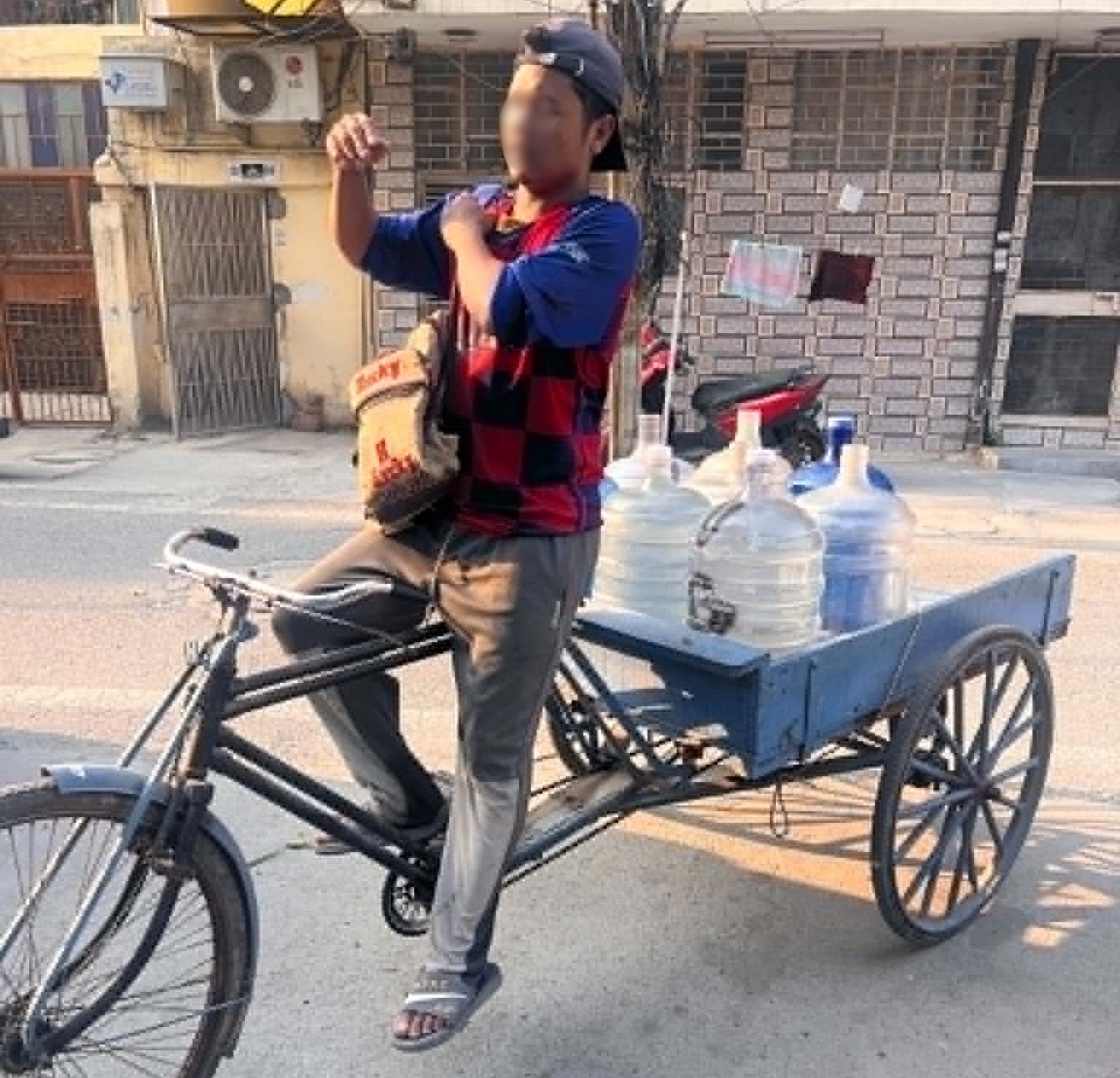
Most Myanmar refugees live in West Delhi neighborhoods such as Hastsal, Vikas Puri, Janak Puri, Uttam Nagar, and Vikas Nagar, where rent is relatively affordable compared to other parts of the city. Even so, a modest room often costs around INR10,000 (US$105 per month. When food, cooking fuel, electricity, water, transportation, and medical expenses are added, many families struggle to survive.
The burden is particularly heavy for larger households. A typical Chin family may include parents, three children, and elderly relatives who are unable to work. With only one or two income earners, many households live in constant financial uncertainty.
Although some organizations have attempted to connect refugees with employers, complaints about low wages and unpaid salaries remain common. As a result, many young refugees seek temporary work during India’s wedding season, which peaks during winter months (between November and February). Working as servers or assistants at wedding events can provide a night’s income of around INR500 plus tips, offering a valuable source of seasonal earnings.
Healthcare: A constant struggle
Healthcare remains one of the most pressing concerns for Myanmar refugees in Delhi. Many newcomers came from rural areas where educational opportunities were limited. Consequently, language barriers pose a major challenge, as many refugees speak neither English nor Hindi properly.
Adapting to Delhi’s climate and urban environment can also be difficult. Refugees frequently report illnesses related to weather, poor living conditions, and work-related exhaustion. For daily wage earners, sickness often means losing income while simultaneously facing medical expenses.
Recognized refugees may receive outpatient services at government hospitals such as Deen Dayal Upadhyay Hospital. However, transportation costs and medication expenses are generally not covered. Community-based initiatives, including volunteer blood donor groups and occasional free medical camps, provide some assistance but are unable to meet growing needs.
In previous years, organizations such as the Voluntary Health Association of Delhi helped refugees suffering from chronic illnesses including tuberculosis, HIV, and hepatitis. However, much of that support has diminished over time.
One notable initiative was the Yamuna Clinic, established by Dr. Tint Swe, a former Myanmar parliamentarian in exile. The clinic provided free primary healthcare and medicines for Myanmar refugees, particularly the Chin community. Following Dr. Tint Swe’s resettlement to the United States, however, the clinic ceased operations, leaving a significant gap in healthcare access.
Many refugees believe that existing support remains insufficient, especially for those without recognized refugee status.
The lost generation: Barriers to education
Education is perhaps the greatest concern among refugee parents. Community estimates suggest that more than 7,000 Chin refugee children and youth are currently living in Delhi, yet a large number remain outside the formal education system.
The main obstacle is documentation. While a small minority possess recognized refugee cards, most hold only temporary asylum seeker documents, which can complicate school admissions and access to educational services.
For parents, the issue extends beyond academics. Education represents hope for the future.
One Chin refugee father explained with tears in his eyes:
“We can endure hardship ourselves, but watching our children grow up without education is heartbreaking. We hope they will one day help rebuild our country, but without education, we fear the cycle of suffering will continue.”
Families who have lived in Delhi for many years often have children with Indian-issued birth certificates, making school enrollment somewhat easier. However, after getting admitted, many students struggle in Hindi-medium government schools due to language differences and social discrimination.
Despite these obstacles, some young refugees continue their studies. A small number attend colleges under Delhi University, while others pursue secondary education. Many face academic setbacks because their previous schooling in Myanmar is not fully recognized.
One student described having to repeat grades despite already completing equivalent studies in Myanmar. Although discouraging, such experiences are common among refugee youth adapting to a new educational system.
Higher education presents additional challenges. Government colleges are generally affordable, but transportation costs, books, and other expenses remain significant barriers. Private universities are beyond the reach of most refugee families.
Students attending Delhi University’s North Campus often travel long distances from West Delhi each day. To reduce costs, some share rented rooms near their colleges and divide expenses among friends.
Community leaders estimate that only around 200 Chin youth currently attend college, a small fraction of those eligible for higher education.
Community networks: A lifeline in exile
In the absence of substantial external support, Myanmar refugees rely heavily on community organizations and faith-based networks.
Different ethnic communities maintain their own associations, including Chin, Kachin, and Bamar groups. Within the Chin community, organizations often reflect regional or linguistic identities, such as Falam, Zomi, Hakha-Thantlang, and Matu groups.
These organizations serve several important functions. They distribute information, provide mutual assistance, organize awareness programs, and support vulnerable families. Many collect small monthly contributions from members to fund community activities, office expenses, emergency assistance, and funeral support.
Religious institutions play an equally important role. Although Myanmar is often associated with Buddhism, the vast majority of Chin refugees are Christians. Churches and fellowships provide spiritual guidance, emotional support, and practical assistance for struggling families.
Organizations such as the Delhi Burmese Christian Fellowship, Lai Christian Fellowship, and numerous denominational churches organize worship services, festivals, marriage ceremonies, and community events. They also assist members in obtaining birth and death documentation and provide aid to families facing financial difficulties.
Importantly, these community and religious organizations operate largely through donations from members rather than external funding.
Conclusion
For thousands of Myanmar refugees in New Delhi, displacement did not end when they crossed an international border. Instead, it marked the beginning of a new struggle for survival, dignity, and recognition.
Despite years of exile, many refugees remain trapped between legal uncertainty and economic hardship. Limited access to education, healthcare, employment, and official refugee status has created significant challenges for entire communities, particularly children and young people whose futures hang in the balance.
Yet amid these hardships, refugee communities continue to demonstrate resilience. Through mutual aid networks, churches, community organizations, and personal determination, they have built support systems that help them endure life in exile.
As conflict and instability persist in Myanmar, the need for stronger protection, educational opportunities, healthcare access, and durable solutions for refugees in India remains urgent. Until meaningful change occurs, thousands of Myanmar refugees in Delhi will continue living between hope and uncertainty, waiting for the chance to rebuild their lives in safety and dignity.
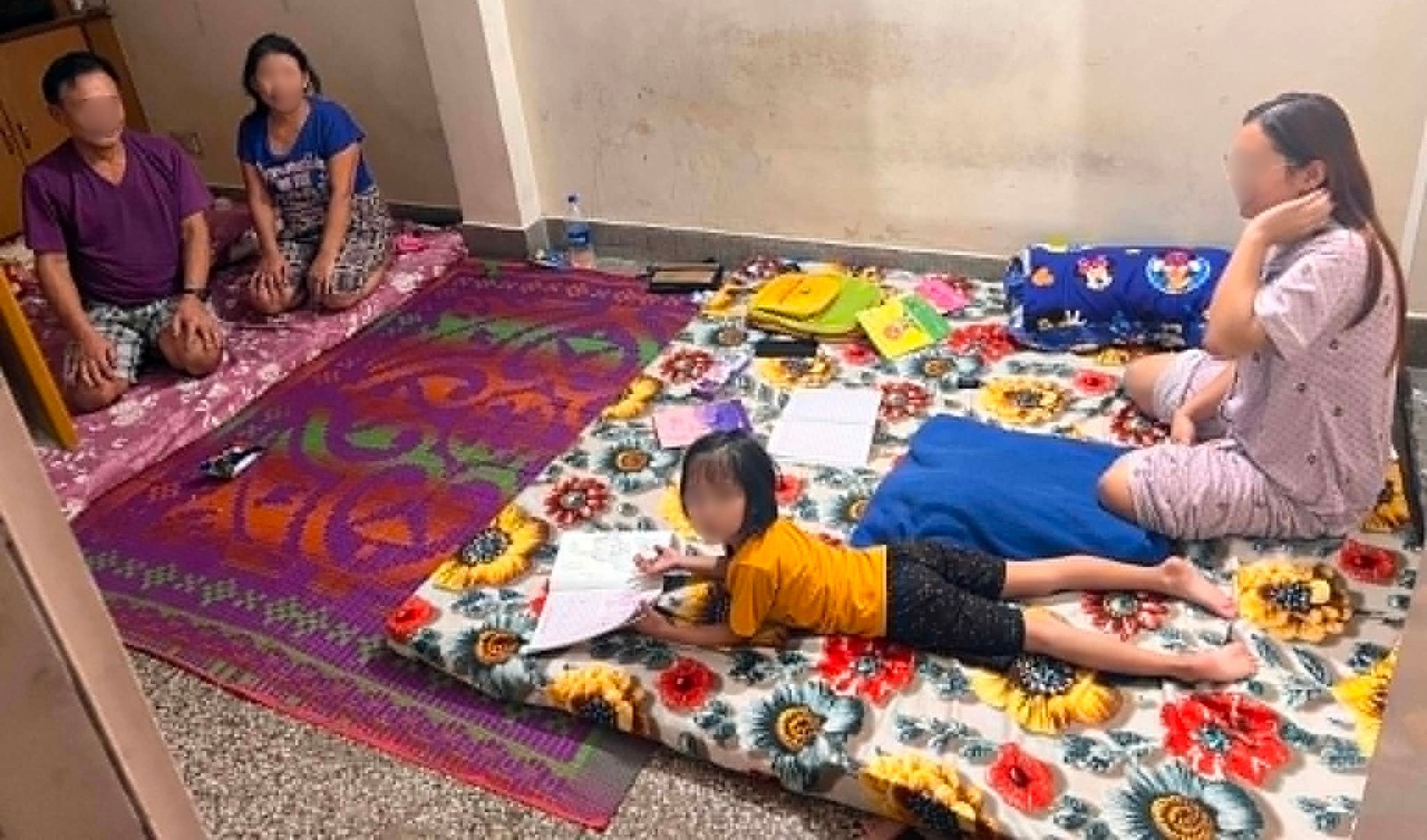
Feature image: A Chin refugee family in their rented apartment in Vikas Puri in June 2026 (Photo: Salai Benhur)